Monday, November 16, 2026

Blog 11

 RI Gender in Schools

REFLECTION

Christian Briggs

After reading the Rhode Island Department of Education's guidance on transgender and gender nonconforming students, I began to think about the importance of making sure every student feels safe and comfortable in school. The reading focuses on how schools should support students regardless of their gender identity or how they choose to express themselves. As a future educator, I think this is an important topic because every student deserves to feel respected and have the same opportunities to succeed in school.

One part of the reading that stood out to me was the statistics about bullying and exclusion. According to the reading, 42% of gender nonconforming students reported frequently being called names, while 40% reported being excluded. These numbers were surprising to me because they show how many students are dealing with negative experiences simply because of who they are. This made me think about how much bullying can affect a student's education. If a student is constantly worried about being made fun of or judged by their classmates, how can we expect them to be fully focused on learning? I believe that students should be able to come to school without having to worry about how others will treat them.

Another important part of the reading was the discussion about respecting students' privacy and personal information. The reading explains that teachers need to be careful about sharing information regarding a student's gender identity. I think this is important because teachers are supposed To be people that students can trust. If a student feels comfortable enough to share something personal with a teacher, that trust should be taken seriously. As a future educator, I want my students to feel comfortable coming to me with problems or concerns without worrying about being judged or embarrassed.

I was also interested in the section about school rules and policies. The reading discusses how schools should review certain practices, such as separating students into groups based on gender, and consider whether those practices are actually necessary. This made me think about how many things teachers do simply because that is how they have always been done. Something as simple as dividing students into boys and girls might seem harmless, but there are other ways to organize a classroom that can make everyone feel included. I think teachers should be willing to make small changes if they can improve the classroom environment for their students.

Overall, this reading helped me understand that creating a safe classroom involves much more than just preventing bullying. It also involves building relationships, respecting students' privacy, and making sure everyone feels included. I believe that teachers should treat all students fairly, regardless of their personal beliefs or differences. As a future educator, I want to create a classroom where students feel respected and comfortable being themselves. At the end of the day, students are at school to learn, and I think it is our responsibility as teachers to make sure they have the best possible environment to do so.


I did not use AI of this blog Post

Blog 10

Christian Briggs
Trouble Makers
Carla Shalaby 
REFLECTION

After reading the introduction of Troublemakers by Carla Shalaby, I began to think differently about how teachers view students who are often labeled as "bad kids" or troublemakers. Throughout the reading, Shalaby challenges the idea that students who struggle to follow directions or behave appropriately are automatically the problem. Instead, she encourages educators to take a deeper look at the way schools and classrooms are structured. This stood out to me because as a future educator, I know that I will eventually have students who struggle with following directions, sitting still, or listening to authority. However, I think it is important to understand that these behaviors do not automatically make someone a bad student.

One part of the reading that stood out to me was the story of Anthony. Anthony was a student who frequently interrupted lessons, struggled to follow directions, and was viewed as difficult to manage. Rather than continuing to label Anthony as a problem, Shalaby began questioning whether the expectations placed on him were actually reasonable. This made me think about how much we expect out of young children throughout the school day. Students are expected to sit quietly, listen to adults, follow directions, and stay focused for long periods of time. While I believe that classroom rules and expectations are extremely important, I also think that we sometimes forget that these are still children who naturally want to move around, talk, and express themselves. As teachers, we need to find a balance between maintaining a structured classroom and allowing students to be themselves.

I was also able to make a connection between this reading and my own experiences working with students. During my recent teaching experiences, I have noticed that some students are naturally more energetic and outspoken than others. However, I have also noticed that these same students can be some of the most engaged and creative when they are given opportunities to participate in hands-on activities. This makes me wonder how many students are labeled as disruptive simply because the way they learn does not match the way their teacher expects them to behave. I think this is why building relationships with students is so important. When teachers take the time to understand their students' personalities, interests, and backgrounds, they can begin to understand why certain behaviors are happening rather than immediately punishing them.

Another important takeaway I had from this reading was the idea of removing students from the classroom as a form of punishment. Throughout my own education, I have seen teachers send students out of class for talking, interrupting, or not following directions. While I understand that teachers need to maintain control of their classrooms, I also question how effective this approach really is. When students are constantly removed from the classroom, they are missing valuable learning opportunities. If a student continues to demonstrate the same behavior after being punished multiple times, maybe the teacher needs to reconsider their approach rather than continuing to use the same punishment.

Generated image 1

Overall, this reading helped me realize that being a good teacher is about much more than getting students to follow rules. It is also about being patient, understanding, and willing to make changes when something is not working. I do not necessarily agree that classroom rules are the problem, because I believe that structure and expectations are necessary for students to succeed. However, I do agree with Shalaby that teachers should not be so quick to judge students based on their behavior. As a future educator, I want to create a classroom where students feel comfortable expressing themselves while also understanding the importance of respecting others. 


I did use AI to help me summarize the reading.

Wednesday, November 4, 2026

Blog #9

 Neurodiversity 

Christian Briggs

CONNECTION


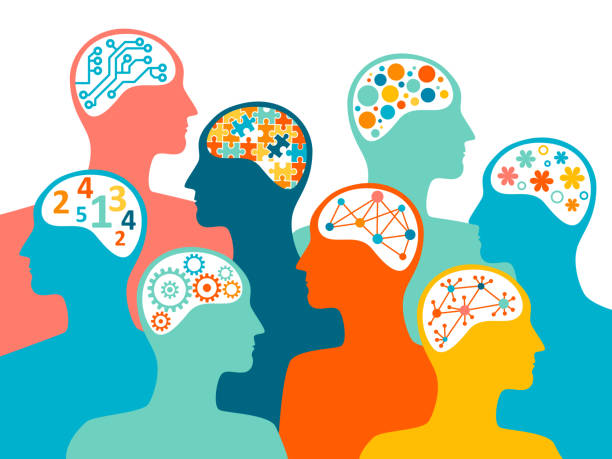
After looking at the articles from ADDitude Magazine and Child Mind Institute, I learned more about neurodiversity and how it connects to teaching. Neurodiversity basically means that everyone's brain works differently. This includes students with ADHD, autism, dyslexia, and other learning differences. I think it is important for teachers to understand this because not every student is going to learn the same way. Something that works for one student might not work for another.

72,800+ Neurodiversity Stock Photos and Royalty-Free ...

One thing that stood out to me from the Child Mind Institute article was how important it is to focus on students' strengths rather than just their weaknesses. I was able to connect this to our discussions about how students' backgrounds and experiences can affect their education. Just like students come from different backgrounds, they also have different ways of thinking and learning. I think teachers need to understand these differences instead of expecting everyone to act and learn the same way.

Another connection I made was to my experiences teaching during our Gamechangers lessons. ADDitude Magazine discusses different ways teachers can support students with ADHD, such as using visuals, giving clear directions, and including movement. Throughout our lessons, we have used movement activities, pictures, and hands-on learning. I noticed that our students were much more engaged when they were able to participate in activities instead of just sitting and listening. This showed me how important it is to make lessons that work for different students.

I was also able to connect these articles to the idea of fairness in education. We have talked a lot in FNED about how students do not always have the same opportunities or needs. I think this connects to neurodiversity because treating students fairly does not always mean treating them the exact same way. Some students might need extra time, more help, or directions explained differently. As teachers, we need to recognize these differences and make sure everyone has a chance to succeed.

Overall, these articles helped me understand how important it is to make connections with our students and understand their individual needs. I think teachers need to take the time to get to know their students and figure out what works best for them. Every student is different, and I believe that recognizing these differences is one of the most important parts of being a successful teacher.


I DID NOT USE AI FOR THIS ASSIGNMENT

Sunday, October 25, 2026

Blog #8

 Christian Briggs 

Blog #8 

REFLECTION

Patrick Finn – Literacy with an Attitude

Jeannie Oakes – Tracking: Why Schools Need to Take Another Route

In Patrick Finn's Literacy with an Attitude and Jeannie Oakes's Tracking: Why Schools Need to Take Another Route, both authors explain how students can receive different levels of education based on their backgrounds and academic abilities. Finn explains how working-class students are often taught to follow directions and complete basic assignments, while wealthier students are encouraged to think critically and make their own decisions. Oakes discusses how students are separated into classes based on their abilities, which can lead to some students receiving better opportunities than others. I think both readings show how schools can create unfair learning environments without even realizing it.

One thing that stood out to me was how some higher-level classes receive more resources and sometimes have smaller classroom sizes. I think smaller classrooms can make a big difference because teachers have more time to work with students individually and understand their needs. Students who struggle academically should be receiving more support, not fewer opportunities to succeed.


Both readings also made me think about how important it is for teachers to have high expectations for every student. Just because a student comes from a certain background or struggles academically does not mean they cannot succeed. As a future teacher, I want to create a classroom where every student feels supported, challenged, and comfortable sharing their ideas.

Overall, I agree with both authors because I believe every student deserves a fair chance to succeed, regardless of their background or academic ability.

I did use AI in this blog, but only for the Finn reading. For some reason when I tried reading it originally, I would lose my spot, or get side tracked. I asked AI to help me summarize the content.

Thursday, October 15, 2026

Blog #7


What To Look For in a Classroom - Alfie Kohn

Christian Briggs

REFELCTION

After reading Alfie Kohn's What to Look for in a Classroom, I learned that a good classroom is more than just students sitting quietly and doing their work. Kohn explains that students should be working together, asking questions, and being involved in their learning. I agree with this because I think students learn better when they feel comfortable and enjoy what they are doing.

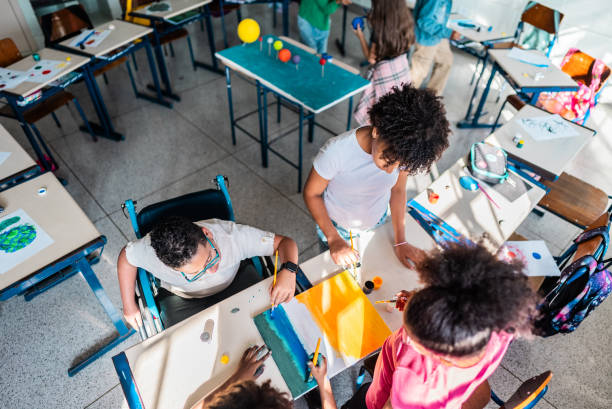
One thing that stood out to me was how important it is for students to work together. Instead of sitting at desks and listening to the teacher all day, students should have chances to work in groups and share ideas. I think this is especially important for younger students because they enjoy talking, moving around, and doing activities. Students should also have some choices in what they are learning.

30,200+ Inclusive Classroom Stock Photos and Royalty-Free ...

I can connect this reading to my experience working at summer camp and in classrooms. I have noticed that kids are more interested in activities when they can move around and work with their friends. I have also worked with students who have different learning needs, and I have learned that not every student learns the same way. As a future elementary and special education teacher, I want to make sure all my students feel included and have a chance to learn.

Another thing I liked from the reading was the idea that classrooms should represent the students. I think hanging up student work, having tables for group work, and including different backgrounds can make students feel welcome. Teachers should get to know their students and find ways to make learning interesting for everyone.

Overall, I agree with Kohn because I think a classroom should be a place where students enjoy learning and feel like they belong. When I become a teacher, I want my students to feel comfortable asking questions, sharing ideas, and making mistakes. I want my classroom to be a place where students are excited to come to school.


I DID NOT USE AI FOR THIS ASSIGNMENT

Sunday, October 4, 2026

Blog Post 6

 Lisa Delpit - Other Peoples Children...The Silenced Dialogue

Christian Briggs

CONNECTION 

Delpit’s article explains the “culture of power” in schools. She says there are unwritten rules about how students should talk, act, and learn, and some students already know these rules while others do not. She believes teachers should clearly teach these rules so students are not at a disadvantage. I thought this was interesting because teachers can sometimes misunderstand students because of differences in culture or communication. I also agree that students should learn the rules of the dominant culture while still being able to prioritize having and keeping their own personal culture. I also thought it was interesting that people with more power may not notice it, while people with less power are more likely to see how it affects them. 

Diversity in the Classroom: Why It Matters


This connects to education because teachers work with students from many different backgrounds and cultures. As a future educator, I may have students who communicate, behave, or learn differently than I do. I may have to explain classroom rules and expectations instead of assuming students already know them. I will also need to make sure students feel comfortable being themselves and that their culture is respected. This can help all students feel included and have a better chance to be successful. 


I did use AI for this statement to help better understand the article. It was a bit tricky to read, but after using the handout along with some AI Assistance, I was able to work through it.

Saturday, September 26, 2026

Blog Post 5

 Academic and Social Value of Ethnic Studies 

A Research Review 

Christine E. Sleeter

CONNECTION


The reading this week was pretty interesting to me. I liked the idea of now looking at things that are positive within different cultures, and what ethnic studies can bring to a classroom. The author begins with the story of Carlos, who did poorly in school and found it boring. After joining a Chicano studies course at a community college, he became interested in education because the material connected to his Mexican American background. He eventually earned a degree and wanted to become a teacher. The main argument the article is that ethic studies can help bring a different point of view to learning in the classroom, looking at different cultures, races, and communities, along wit how they view different topics, or what that groups experience was. 


This connects to my future as a teacher because I think it is important for students to feel like they can relate to what they are learning. If students see their culture or experiences included in lessons, they may become more interested and involved in class. As a future teacher, I want to make sure my classroom includes different cultures and perspectives so all students feel included. 


I DID NOT USE AI FOR THIS ASSIGNMENT 

Friday, September 25, 2026

Blog Post 4

 Renkly & Bertolini,  Shifting the Paradigm

Reflection

After reading Shifting the Paradigm, I started thinking about how teachers' expectations can affect the way students see themselves. It can be easy to look at a student who is struggling and immediately focus on what they need to improve. While those areas are important, I think teachers also need to recognize what the student is already capable of. A student might struggle with reading or math but be very creative, athletic, social, or good at solving problems. Those strengths can be used to help them become more successful in the areas where they need additional support.

The idea of looking for a student's “jewels” stood out to me because every student has something that they can bring into the classroom. I think getting to know students outside of just their grades can make a big difference. For example, knowing a student's favorite sport, hobby, game, or interest could give a teacher a way to connect a lesson to something the student already enjoys. This could make the student more interested in learning and give them more confidence to participate.

I also think this reading is important for special education because students with disabilities can sometimes have a lot of attention placed on what they cannot do. As a future special education teacher, I want to make sure I am not letting a student's disability or academic struggles become the main thing I see when I look at them. Students should have opportunities to show what they can do and recognize their own progress.

One question I have is how teachers can balance an asset-based approach with the responsibility of helping students improve their weaknesses. Teachers still need to identify areas where students need support, but I think the way those areas are addressed matters. How can teachers make sure that helping students improve their weaknesses does not cause students to feel like their weaknesses are what define them?

I did not use AI to write this blog post.

Sunday, September 13, 2026

Blog Post #3

 What “Counts” as EducationalPolicy? Notes toward a New Paradigm.    

JEAN ANYON    -     City University of New York


CONNECTION 


Going through this reading was interesting for me. I enjoyed the fact that it addressed educational factors outside of the school, which was different from other readings/videos we have looked at to this point. We have learned about the system, but now, Anyon looks at factors outside of the system. She argues that being "good" I school is not always about your teacher, or how you absorb content. It can be related to external factors within a child's life such as job, wage, housing, tax, and transportation policies can create overwhelming humps for lower income students to overcome. Anyon explains that many education fixes  have been focused on things like testing, curriculum, school funding, and accountability, which is all well and good, but they don't look into the poverty that students families may be facing. The biggest takeaways for me in this reading is that you can not just address problems within the school to better a students education, but the external factors also have to be taken into account.


I can connect this to real life because I have seen it first hand in my high school. I have had friends who have not been able to participate in school sports, which have been proven by numerous sources to help better children school ability and life, because they have had to work and make money, to try and by a car, or even help their parents or guardians with bills to be paid within the household. This lead many times to black of engagement in the classroom and in afterschool activities, because they are thinking about how they are going to get to work or if food is going to be on the table for dinner tonight

South University Blog | Tips for Achieving Work-Life-School Balance

I did not have to use AI for this assignment. Seeing it first hand was enough for me to make the real world connections.

Wednesday, September 2, 2026

Blog 2 - 9/2

 Khan's The Broken Model & Short History of American Schooling

CONNECTION


Going through Khan's writings, I learned about of of the "systems" that were inferred in Alan Johnson's writing. That being, schools. Khan's main argument is that he educational system is shaped by traditions and systems people see as normal. Right away, I connected this to our group work today. When we broke apart into our groups, we had a common idea that people often get commutable with the system we live in, and accept things that are wrong as normal. They do this because "going with the flow" is easier than trying to make a change. Khan's excerpt brought the two readings together nicely of discussions we had in class today. The idea that the Prussian Model was designed to get children in order, and almost "stay in line" lines up with the idea that society often get complacent with where they are at. The author argues that when children think creatively, independent, and become curious, it leads to problem solvers being developed. The original system in place is not fond of this, because it is opposite of order and obedience. 

Horace Mann - Wikipedia

The Short History of American Schooling video was also interesting. I enjoyed the early nod to Horace Mann for helping build the first state board of education in Massachusetts, him, being the secretary. He believed that everyone was entitled to the same content of education. The video also brings up that the early school design was developed in a way to help children learn to be obedient to authority, which connects to ideas I brought up earlier about being comfortable with societal norms. One man was quoted of saying "school was out to destroy the imagination". Everyone being complacent was the ideal world for the people at the top of the societal hierarchy because obedient humans are easy to control.


I did not use AI for this blog post. 

Tuesday, September 1, 2026

Blog Assignment 1 - 9/1

 Alan Johnson's " Privilege, Power, and Difference


In Alan Johnson's "Privilege, Power, and Difference",  Johnson dives into the to idea of his title on a deeper level. Rather than just pointing blame or reason on one particular person, he looks deeper into the system and surroundings that have made people this way. 

I broke down my thoughts into three sections, each from the three different chapters, and this is my reflection:

REFLECTION

Chapter 1: Rodney King's Question

"Can't we all just get along" is a quote from Rodney King after he was assaulted by a police officer.  Through this quote Alan Johnson wants the reader to think about what systems were put in place that encouraged hatred, and the behavior that was happening during that time, rather than just look to "Who was the bad person, and what did they do wrong". Johnson wants the reader to understand the WHY, which is a common theme throughout his "little book".


A look back on the life of Rodney King

Chapter 2: We're in Trouble

In Chapter 2, the author argues that there is a serious problem with society. That being privilege, oppression, and inequality. Johnson says that people in society have differences, that being race, gender, sexuality, etc. but that is not the issue. He says that the issue is when each of those groups begin to have a value, or a different level of importance assigned to them. This was very interesting to me because I have never thought of racism, discrimination, etc. in that manor. The orientation is not the issue, but the social advantage, disadvantage, or opportunities given to the separate groups, at times, without it even being realized by the public. These can stack up, leading to an inequality gap between groups.

57,686,461 Discrimination Stock Illustrations | DepositPhotos

Chapter 3: The Trouble We're In

Throughout Chapter 3, Johnson takes the challenges he brought up in the previous chapter and explains why they are so hard to change. In reality, he makes some great points, because, if it was as easy as saying "Can't we all just get along?",  and us just getting along, it would have already been done. Johnson argues that privilege, and oppression are built into the systems that run society, and do not just come from. people having those attitudes. Reflecting on this, I thought abound how people participate in these systems everyday, because it is just the world around them, and discrimination is, essentially, "baked" into the system. When you do the same thing everyday, and go to the same places everyday, hang around the same people everyday, etc., such as most of our society does, you get stuck in a loop. Once you are in that loop, it is almost impossible to get out of it, and you begin to drink the, metaphorical "kool aid". 


I did use AI in this blog post. I asked ChatGBT to give me it's thoughts on Chapter 3, due to the length of the chapter to see if they aligned with what I had taken away from, and overall, the take aways did align with my reflection of the text.  AI's reflection of Chapter 3 was "This chapter made me think about how difficult it can be to change inequality when it is built into everyday systems and habits. I thought the idea that people often follow the “path of least resistance” was especially interesting because it shows how inequality can continue even when people do not intentionally cause it." These thoughts line up with mine pretty well,  and thoughts are similar.

Blog 11

 RI Gender in Schools REFLECTION Christian Briggs After reading the Rhode Island Department of Education's guidance on transgender and g...