Alan Johnson's " Privilege, Power, and Difference
In Alan Johnson's "Privilege, Power, and Difference", Johnson dives into the to idea of his title on a deeper level. Rather than just pointing blame or reason on one particular person, he looks deeper into the system and surroundings that have made people this way.
I broke down my thoughts into three sections, each from the three different chapters, and this is my reflection:
REFLECTION
Chapter 1: Rodney King's Question
"Can't we all just get along" is a quote from Rodney King after he was assaulted by a police officer. Through this quote Alan Johnson wants the reader to think about what systems were put in place that encouraged hatred, and the behavior that was happening during that time, rather than just look to "Who was the bad person, and what did they do wrong". Johnson wants the reader to understand the WHY, which is a common theme throughout his "little book".

Chapter 2: We're in Trouble
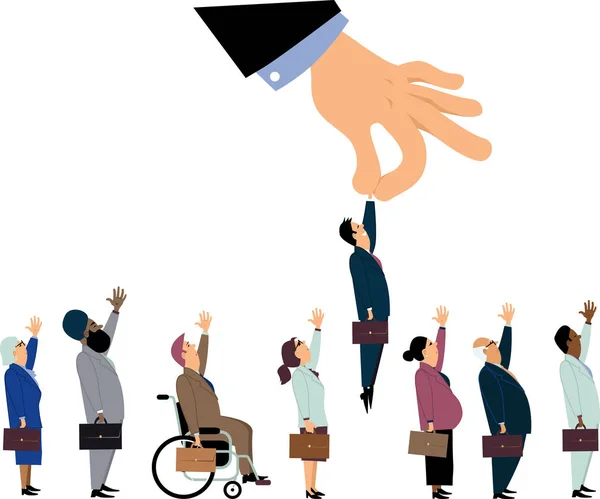
In Chapter 2, the author argues that there is a serious problem with society. That being privilege, oppression, and inequality. Johnson says that people in society have differences, that being race, gender, sexuality, etc. but that is not the issue. He says that the issue is when each of those groups begin to have a value, or a different level of importance assigned to them. This was very interesting to me because I have never thought of racism, discrimination, etc. in that manor. The orientation is not the issue, but the social advantage, disadvantage, or opportunities given to the separate groups, at times, without it even being realized by the public. These can stack up, leading to an inequality gap between groups.
Chapter 3: The Trouble We're In
Throughout Chapter 3, Johnson takes the challenges he brought up in the previous chapter and explains why they are so hard to change. In reality, he makes some great points, because, if it was as easy as saying "Can't we all just get along?", and us just getting along, it would have already been done. Johnson argues that privilege, and oppression are built into the systems that run society, and do not just come from. people having those attitudes. Reflecting on this, I thought abound how people participate in these systems everyday, because it is just the world around them, and discrimination is, essentially, "baked" into the system. When you do the same thing everyday, and go to the same places everyday, hang around the same people everyday, etc., such as most of our society does, you get stuck in a loop. Once you are in that loop, it is almost impossible to get out of it, and you begin to drink the, metaphorical "kool aid".
I did use AI in this blog post. I asked ChatGBT to give me it's thoughts on Chapter 3, due to the length of the chapter to see if they aligned with what I had taken away from, and overall, the take aways did align with my reflection of the text. AI's reflection of Chapter 3 was "This chapter made me think about how difficult it can be to change inequality when it is built into everyday systems and habits. I thought the idea that people often follow the “path of least resistance” was especially interesting because it shows how inequality can continue even when people do not intentionally cause it." These thoughts line up with mine pretty well, and thoughts are similar.